New Alamein sits at the intersection of two important developments: a purpose-built Mediterranean city and Egypt's formal Holiday Home framework under Ministerial Decree 209/2025. That creates a clearer route for professional short-stay operations. It does not make every unit automatically eligible, licensed, bookable, or profitable.
For property owners in Egypt and for developers evaluating a rental program, the right question is not whether New Alamein sounds promising. It is whether the exact unit, development, documentation, operating plan, and guest proposition are ready for a compliant launch.
Start with the exact unit, not the market headline
- Eligibility is specific. Decree 209/2025 established a Touristic Eligibility Certificate pathway for qualifying Holiday Homes, but owners must confirm current requirements and development rules for the exact property.
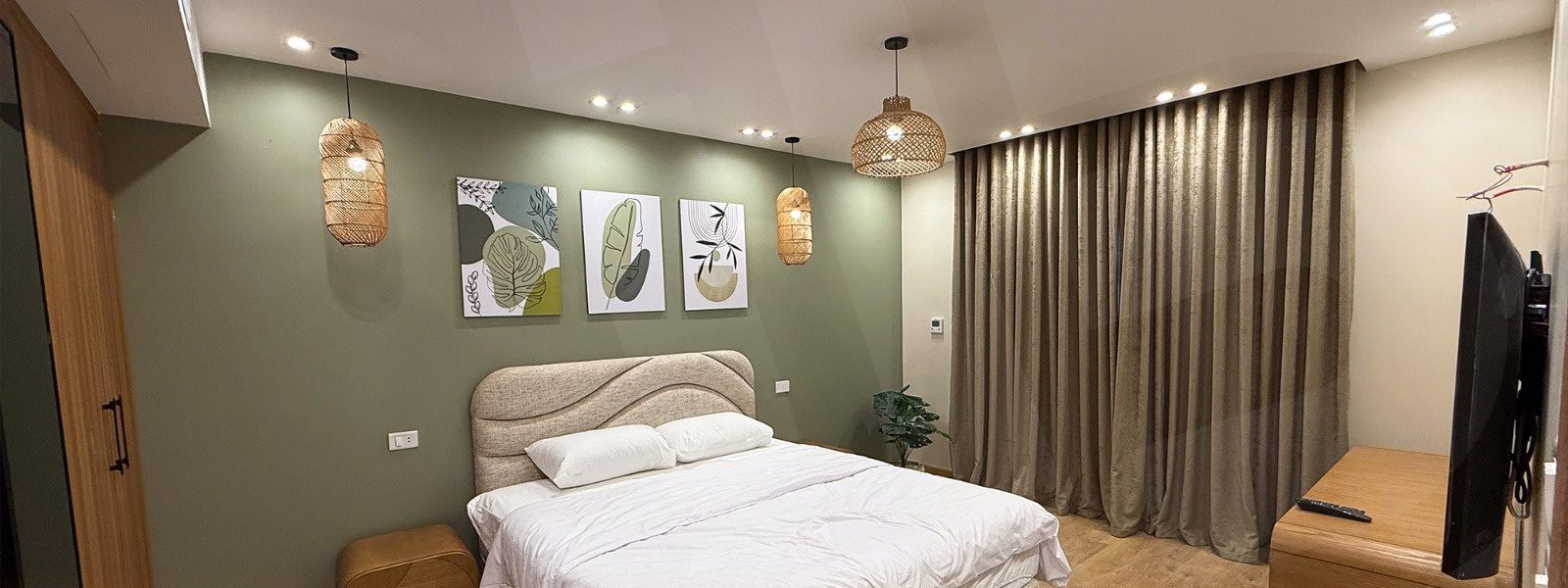
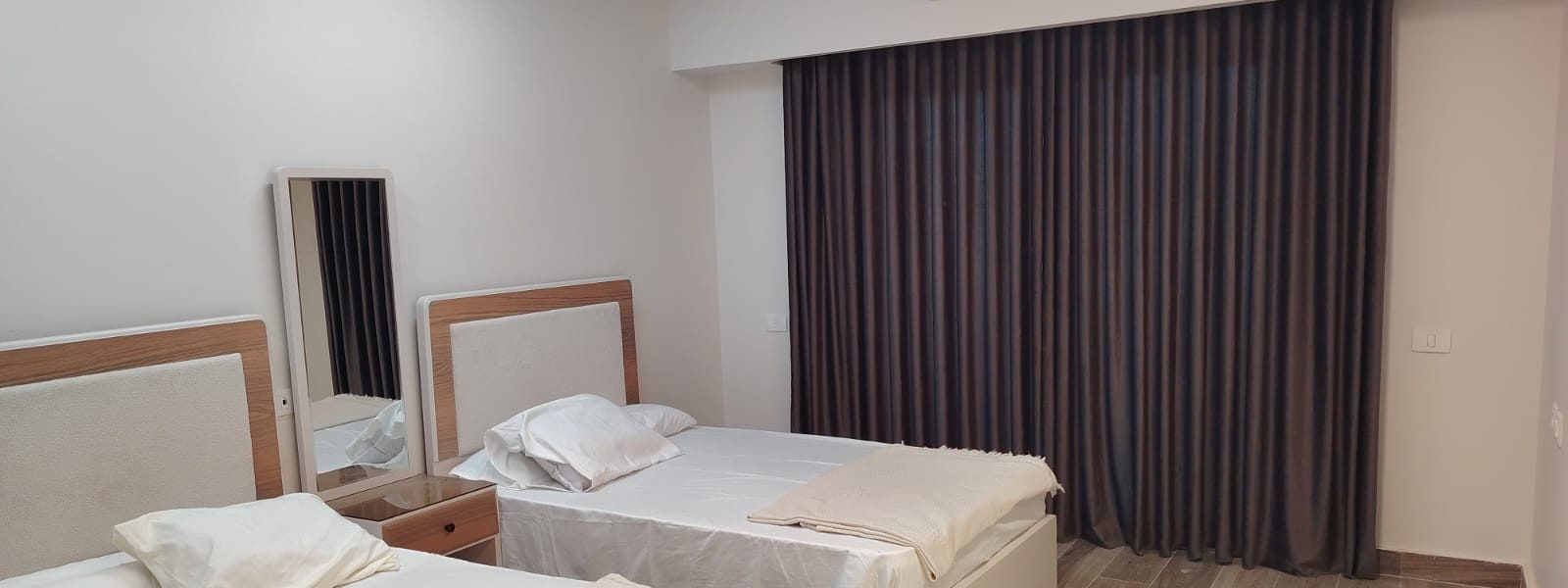
- Presentation must be truthful. Photos, views, access, amenities, bed layouts, and location claims must match what a guest will actually receive.
- Operations come before scale. Cleaning, check-in, guest support, maintenance escalation, pricing governance, and owner reporting need named owners before the first stay.
Licensing is a readiness gate, not a revenue promise
The decree provides a formal category for Holiday Homes, with a simplified certification route compared with older hotel-establishment structures. The practical requirements still need current, unit-specific confirmation with the Ministry and qualified Egyptian legal and tax advisers. Ownership documents, safety, structural and amenity standards, reporting, tax registration, renewal, and development-level restrictions can all matter.
Compliance opens the door to operate. It does not create demand, set a profitable rate, repair a weak listing, or guarantee a booking. Owners should separate the legal-readiness decision from the commercial-readiness decision and verify both.
What is verified about the BNBHubs New Alamein lane
If you hold a unit in New Alamein: three practical moves
Confirm eligibility and documentation. Verify the exact unit, development rules, current certificate process, safety obligations, tax position, and renewal requirements with qualified advisers.
Build a truthful listing packet. Use photos of the actual unit, state access and amenities precisely, document the bed layout, and remove any view, beach, pool, or distance claim that cannot be proven.
Prove the operating chain. Name who handles pricing, cleaning, inspection, check-in, guest support, maintenance, refunds, incident escalation, and owner reporting before accepting a booking.
If you are evaluating a multi-unit program
A multi-unit rental program should start with a controlled pilot, a complete governing source, and conservative feasibility. Define the property scope, authority, fee structure, quality standard, owner reporting, guest-support model, release criteria, and rollback before public claims or portfolio scale.
Early enquiries and onboarding activity are useful signals, but they are not proof of signed authority, operating profitability, or demand for every unit. A developer should require source documents, an auditable pilot plan, unit-level readiness checks, and evidence from actual operations before expanding.
Where does your unit actually stand?
The free Revenue Leak Score reads your listing like a guest and a search algorithm do, and shows your top three leaks — smallest fix first. Developers: message us directly for the operating-mandate conversation.
Get your free Revenue AuditDeveloper inquiry on WhatsAppGeneral information only — confirm licensing, legal, tax, development, and operating requirements for your specific unit with qualified Egyptian advisers. No booking, revenue, licensing, mandate, or investment outcome is guaranteed.